



经济新闻
上海启动跨境再保险试点工具,允许分入保费配置至境外资产 2026-10-29
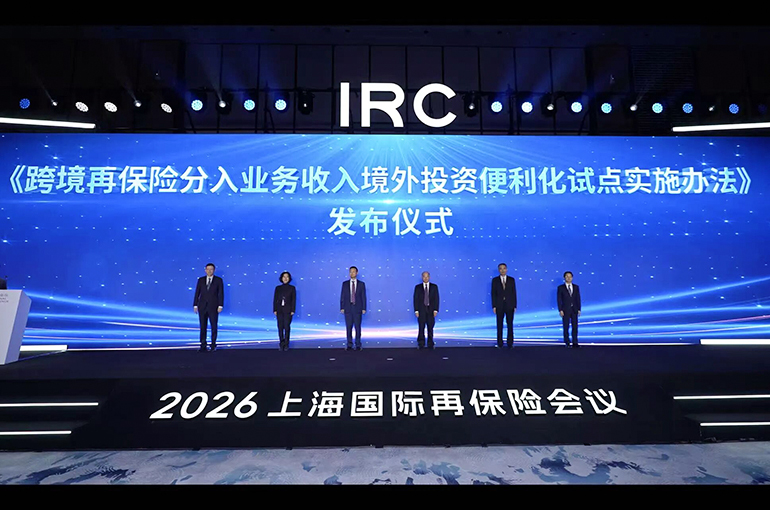
Shanghai has launched a pilot program to reform the cross-border reinsurance system, allowing selected domestic insurance legal entities and their branches to use income from cross-border reinsurance business generated through on-market transactions at the Shanghai International Reinsurance Registration and Trading Center directly for overseas investment, without being subject to outbound investment quota limits.
PICC Property and Casualty, China Pacific Property Insurance, Ping An Property & Casualty Insurance, and China Property & Casualty Reinsurance were picked as the first pilot institutions, according to a policy document jointly released by the Financial Commission Office of the municipal committee of the Chinese Communist Party in Shanghai, the Shanghai branch of the National Financial Regulatory Administration, People's Bank of China Shanghai Head Office, and the city branch of the State Administration of Foreign Exchange at the Shanghai International Reinsurance Conference on October 28. Industrial and Commercial Bank of China, Bank of China, and China Construction Bank are the first batch of partner banks.
The pilot program, expected to open a new channel for Shanghai to attract cross-border reinsurance funds and deploy them overseas, sets a dedicated investment quota of USD1 billion. When the insurers make overseas investments, these transactions will not count against their existing qualified domestic institutional investor quotas.
The "foreign funds used abroad" pilot aims to address a long-standing structural imbalance in China's reinsurance market, Robert Curtis, chief executive officer of AM Best Asia-Pacific, told Yicai. Under current foreign exchange controls and QDII quota restrictions, reinsurance premiums collected from overseas cannot be flexibly invested in overseas foreign-currency assets, he noted.
In addition, if funds pooled from assumed cross-border reinsurance business cannot be flexibly deployed overseas, this curbs domestic insurers' willingness and capacity to underwrite international risks, making it difficult for international premiums to continue expanding and undermining Chinese insurers' overseas revenue growth, Curtis pointed out.
Implementing the new policy will strengthen the overall service capacity of the Lingang Special Area, a testing ground for economic and trade policies within the Shanghai Free Trade Zone, as an international reinsurance functional zone and attract more cross-border assumed business to settle there, Curtis said, adding that for Chinese insurers participating in the pilot, it also offers an opportunity to gain experience in global asset allocation and cross-border risk management within a controlled environment under the free trade zone framework.
The pilot will help broaden channels for global asset allocation of income from cross-border assumed reinsurance business, greatly boosting domestic insurers' enthusiasm and competitiveness in participating in the global market, said Zhu Xiaoyun, vice chairman and president of China Reinsurance Group.
Source: Yicai Global
